
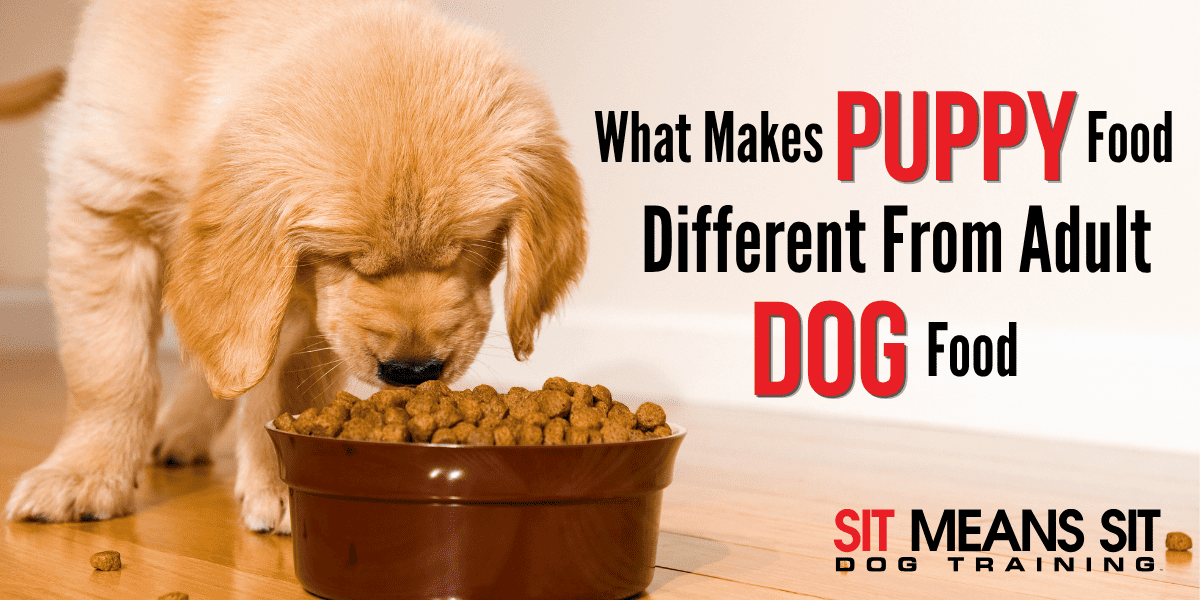
Welcoming a puppy home is an exciting milestone. As you watch your fur baby develop into an adult, it is important to consider their diet. Although you may not know it, there are key nutritional differences between puppy food and dog food. To ensure our young pups grow strong and healthy, choosing the right food is essential. Follow along to learn how you can enhance your furry friend’s health as they become a happy and healthy adult.
What’s the Difference Between Puppy Food and Dog Food?
The primary difference between the two is the nutritional purpose. Since puppies experience rapid growth in the first year, puppy food prioritizes nutrients that fuel and strengthen. Some of the key formulas that support a puppy’s development include:
- Rich in protein. According to the Association of American Feed Control Officials (AAFCO), puppy food should have a minimum of 22.5% protein content, whereas AAFCO recommends around 18% for adult dog food. Protein helps strengthen growing muscles and is essential to growing a strong pup.
- More fat content. Since puppies need more calories for maintenance than full-grown dogs, a higher fat percentage in puppy food supports growth and helps satiate rumbling tummies. AAFCO recommends a minimum fat content of 8.5% for pups. Fat is an essential macronutrient for our furry friends since it is an efficient source of energy. Perfect for more playtime!
- Higher calcium. Growing bones and joints call for extra calcium. AAFCO recommends double the amount of this micronutrient during the puppy years for support.
- Omega-3 fatty acids. Important for both grown dogs and puppies, omega-3 fatty acids support brain and eye health. If you’re looking to train your young canine, ensure they have enough of this nutrient to be receptive to training.
As you can see, there are advantages to properly fueling your pup. While these key ingredients can be found in many puppy foods, finding the best one for your furry friend can be tricky.
Which Food is Best for My Puppy?
Each dog is different. Depending on breed, size, and average growth rate, the best puppy food can vary. Here are some aspects to consider when purchasing your pup’s food:
- AAFCO certification. If a brand sells puppy food with an AAFCO certification on the nutritional label, that means it meets nutritional standards for your growing canine. Quality dog food brands will include this on the bag, and it is a great rule of thumb for selecting your pup’s food, puppy or adult.
- Your dog’s breed. Larger dog breeds require more food to sustain them during growth and maintenance. If your puppy is going to weigh more than 60 pounds as an adult, look for puppy foods formulated for larger breeds. That way, you can feel confident that you are supporting your canine companion.
When to Switch to Adult Dog Food
Deciding when to switch your furry friend to adult food is important. Switching too early may subject your pup to deficiencies and physical abnormalities. Dogs switched to adult food too late, however, are more likely to become obese later in life, leading to a variety of adverse health issues. The general rule of thumb is to switch your puppy to adult dog food when they are 80% of their adult size. The timing of this can vary depending on breed and individual growth rate, so consult your vet for professional guidance. However, generally, the timing is as follows:
- Smaller breeds (under 25 pounds): 10 to 12 months
- Medium-sized breeds (25 to 50 pounds): 12 to 15 months
- Large breeds (larger than 50 pounds): 14 to 24 months
Activity level can also affect when to switch. If your dog is especially active, staying on puppy food longer can actually help support muscle growth due to the higher protein content. If your puppy has been neutered or spayed before they reach 80% of their adult size, their calorie needs may drop earlier. As always, consulting your vet is essential to ensure your dog is receiving the right amount of nutrients.
Although your puppy isn’t an adult yet, you can help them grow into one! Emphasizing protein, fats, and essential micronutrients in their diet can help your pup develop smoothly. When you choose puppy-formulated food, you are helping your furry friend grow into a healthy, happy dog.